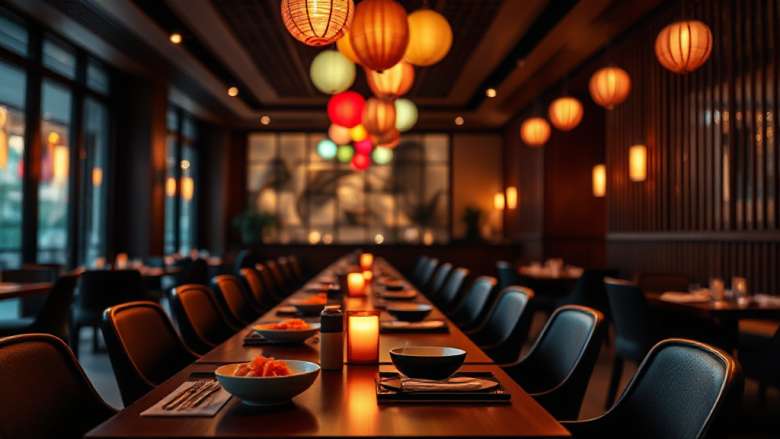
The Room Before the Plate: Atmosphere in a Japanese Restaurant
You step through the door and the first thing you register is not the food. It is the hush — a low, deliberate quiet that sits underneath the music and the conversation. That hush is the answer to what most people are really looking for when they search for a meme4d login page or a restaurant’s online menu: a preview of a room they want to sit inside for an hour or two. The login or menu page is only the doorway; the atmosphere is the destination.
A Japanese dining room is built from small sensory decisions that most guests never consciously notice but always feel. Light, sound, pacing and scent work together to slow the meal down. Understanding those choices helps you read a restaurant before you ever commit to a table — and helps you enjoy the room once you are in it.
The Sound of a Japanese Dining Room
Listen for the layers. A well-run Japanese restaurant rarely plays loud music; instead, the soundtrack is the room itself — the soft clink of ceramic, the low murmur of other tables, the occasional call from the kitchen. That restraint is intentional. Sound in this style of dining is designed to recede so that conversation and the food can come forward.
Notice where the noise lands. Hard surfaces bounce sound; wood, fabric and paper screens absorb it. A room with a lot of exposed timber and soft lighting will feel calmer than one with glass and tile, even if both serve the same menu. If you are choosing between tables, the corner furthest from the service station is usually the quietest.
Why the Quiet Matters
Japanese cuisine rewards attention. A piece of sashimi is eaten in one or two bites, and the point is to notice the texture and the temperature. If the room is loud, you eat faster and taste less. The quiet is not decoration — it is part of the service, protecting the pace at which each plate should be enjoyed.
This is also why a menu page online can only do so much. A photograph of a platter tells you what is served; it cannot tell you whether the room lets you hear the person across from you. Treat the online preview as a starting point, not the whole story.
Light, Shadow and the Pace of a Meal
Lighting in a Japanese restaurant tends to be warm and slightly dim, often pooled over each table rather than flooding the whole room. That choice does two things: it makes the food look richer, and it gives each party a sense of privacy without walls. Watch how the light falls on the plate — a well-placed lamp makes the gloss of fresh fish and the matte of a ceramic bowl read clearly.
Pacing follows the light. Courses arrive in a sequence that is meant to feel unhurried: a small opening dish, then sashimi or sushi, then something warm, then a quiet finish. A good dining room does not rush the gap between plates. If your table is cleared before you have finished the conversation, the room is telling you something about its priorities.
Reading the Room Before You Sit
You can learn a lot from a doorway glance. Look at how the tables are spaced, whether the lighting is pooled or flat, and whether staff move calmly or quickly. A room that feels settled usually signals a kitchen that is not fighting the clock. These cues are more reliable than any online description, which is why the first thirty seconds inside the door matter so much.
For diners planning ahead, the practical move is to check the menu first and the room second. The meme4d login menu page gives you the shape of the meal; the doorway gives you the mood. Both belong to the same decision.
Scent, Temperature and the First Impression
The nose arrives before the eyes settle. A Japanese restaurant often carries a faint note of rice vinegar, toasted sesame, and clean linen — never heavy perfume or fried oil. That restraint is deliberate: strong ambient scent would compete with the delicate aroma of the food itself.
Temperature is the quiet partner of scent. A room kept slightly cool makes warm dishes feel warmer and keeps raw fish at its best. If the space feels stuffy or over-heated, the sashimi will lose its edge before it reaches you. Comfort in the room is not a luxury; it protects the food as much as it protects the guest.
The Details You Feel but Rarely Name
- Table height and chair depth — a comfortable seat keeps you at the table longer, which is the whole point of a slow meal.
- Ceramic and lacquer — the weight of a bowl in your hand is part of the experience, not an afterthought.
- Clean lines — uncluttered surfaces let the food be the visual focus.
- Staff calm — a relaxed team signals a kitchen that is in control.
None of these details appear in a photograph. They are felt, not seen, which is exactly why atmosphere is so hard to convey online and so easy to recognise in person.
From Screen to Table: Using Online Previews Well
Online content works best as a rehearsal, not a replacement. A menu page tells you what is available, how the courses are grouped, and whether the kitchen leans toward classic sushi and sashimi or a newer style of sushi. That information lets you arrive with a plan — and then let the room take over.
Use the preview to answer practical questions: what to order, whether reservations are needed, and how the meal is structured. Save the sensory questions — the light, the sound, the pace — for the doorway. A restaurant can describe its dishes, but it cannot describe how the room will make you feel at seven in the evening.
A Simple Way to Plan a Visit
- Check the online menu to understand the style of the kitchen and the shape of the meal.
- Decide whether you want a quick bite or a slow, seated dinner.
- Reserve a table if you are visiting at a busy hour.
- On arrival, pause at the door and let the room set the pace.
The best meals in a Japanese restaurant are not rushed, and the room is designed to make sure of it. If the atmosphere feels calm, the food will taste calmer too.
So the next time you open a menu page online, remember what it can and cannot show you. It can show you the plates; it cannot show you the hush. The room before the plate is where the meal actually begins — and it is worth choosing carefully.