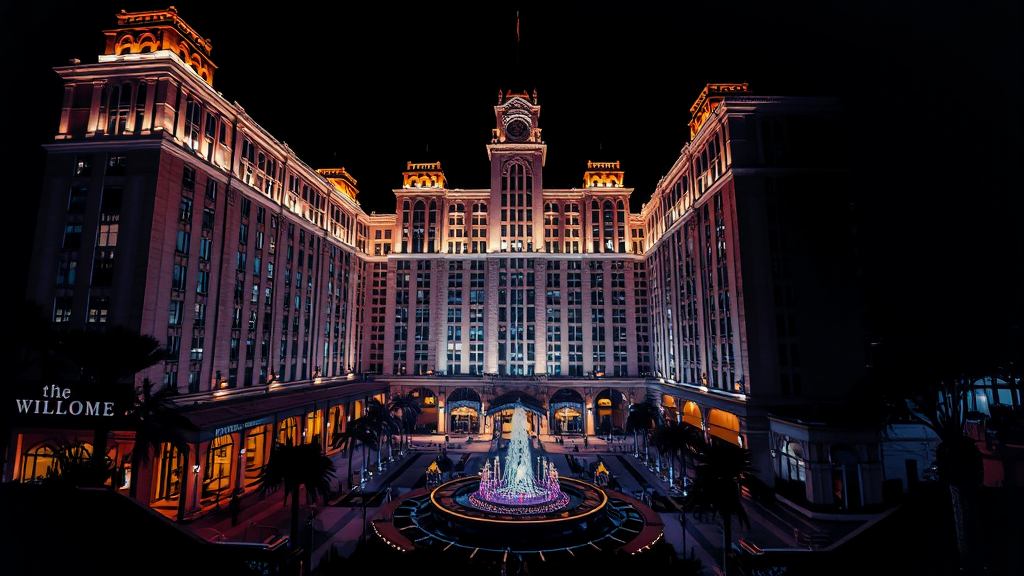
Exploring the Art of Timeless Hospitality and Modern Comfort
In a world that moves at breakneck speed, finding a place that combines old-world charm with contemporary convenience is rare. Travelers today seek more than just a bed for the night; they crave an experience that lingers in memory long after check-out. This is where the concept of timeless hospitality comes into play. It is about creating spaces that feel both familiar and extraordinary, where every detail is curated to enhance relaxation, connection, and discovery. Whether you are planning a weekend getaway or an extended stay, understanding the elements that define exceptional accommodation can transform your journey.
The foundation of any great hotel lies in its ability to balance tradition with innovation. Architecture that respects local heritage, interiors that whisper stories of the past, and services that anticipate your every need are the hallmarks of a truly remarkable stay. As we delve into the nuances of modern hospitality, we will uncover how properties around the world are redefining luxury by focusing on personalization, authenticity, and sustainability. One such property that exemplifies this philosophy is thebiltmorehotels, where guests are invited to step into a world of refined elegance and genuine care.
The Evolution of Hotel Design and Guest Experience
Over the past decade, the hospitality industry has undergone a profound transformation. Gone are the days when a standard room with a minibar sufficed. Today’s guests demand spaces that inspire, comfort, and connect them to the destination. Hotel design has shifted from a one-size-fits-all approach to a more fluid, experience-driven model. Lobbies are no longer just check-in areas; they are vibrant social hubs where travelers can work, dine, or simply unwind with a cocktail. Guest rooms have evolved into sanctuaries of wellness, featuring smart technology, premium bedding, and curated art that reflects local culture.
This evolution is driven by a deeper understanding of human psychology. People travel to escape routine, to learn, and to feel alive. Therefore, every element of a hotel—from the scent in the hallway to the texture of the towels—plays a role in shaping the guest’s emotional journey. Properties that invest in thoughtful design and staff training see higher satisfaction rates and repeat visits. The emphasis is now on creating a narrative that guests can immerse themselves in, rather than simply providing a functional space.
Personalization: The Heart of Modern Hospitality
One of the most significant trends in the industry is hyper-personalization. Hotels are leveraging data and guest preferences to tailor experiences down to the smallest detail. Imagine arriving at your room to find your favorite music playing, the room temperature set to your liking, and a welcome note from the concierge suggesting a local walking tour based on your interests. This level of attention makes guests feel valued and understood, fostering loyalty and positive word-of-mouth.
Personalization goes beyond amenities. It extends to dining options, activity recommendations, and even the design of public spaces. For instance, a hotel might offer a choice of pillows, a menu of bath products, or a selection of books in the lounge that reflect the destination’s literary heritage. The key is to offer flexibility without overwhelming the guest. Smart technology, such as mobile check-in and in-room tablets, allows for seamless customization while maintaining a human touch. Staff members are trained to observe and anticipate needs, turning a simple stay into a memorable journey.
Sustainability and Responsible Travel
Modern travelers are increasingly conscious of their environmental footprint. As a result, sustainability has become a cornerstone of premium hospitality. Hotels are adopting eco-friendly practices that reduce waste, conserve energy, and support local communities. From eliminating single-use plastics to sourcing food from nearby farms, these initiatives not only protect the planet but also enhance the guest experience by offering authentic, locally inspired cuisine and products.
Green building certifications, such as LEED or BREEAM, are becoming common in new developments. Properties are installing solar panels, rainwater harvesting systems, and energy-efficient lighting. But sustainability is not just about infrastructure; it is also about culture. Hotels that engage with local artisans, employ local staff, and promote regional traditions create a richer, more meaningful stay for guests. Travelers today want to feel good about where they spend their money, and eco-conscious hotels are reaping the rewards of this shift in values.
The Role of Technology in Enhancing Comfort
Technology in hospitality is no longer a novelty; it is an expectation. High-speed Wi-Fi, streaming capabilities, and smart room controls are now standard. However, the most successful hotels use technology to enhance rather than replace human interaction. For example, a mobile app that allows guests to order room service, book spa appointments, or request extra towels can free up staff to focus on more personalized service. Voice assistants and automated check-in kiosks can reduce wait times, but the warmth of a genuine smile from a front desk agent remains irreplaceable.
Innovations such as keyless entry via smartphone, virtual concierge services, and augmented reality tours of the property are gaining traction. These tools not only improve convenience but also provide a sense of security and control for guests. The challenge for hoteliers is to integrate technology seamlessly so that it feels intuitive and unobtrusive. When done right, technology becomes invisible, allowing guests to focus on what truly matters: relaxation, exploration, and connection.
Culinary Experiences as a Destination Draw
Food has always been central to travel, but today’s hotels are elevating dining to an art form. Many properties now feature restaurants helmed by renowned chefs, offering tasting menus that highlight local ingredients and culinary traditions. Breakfast is no longer a simple buffet; it is a curated experience with artisanal breads, fresh juices, and made-to-order dishes. Evening dining becomes a social event, with open kitchens, sommelier-led wine pairings, and farm-to-table storytelling.
Hotels are also creating unique culinary events, such as cooking classes, market tours, and rooftop barbecues. These experiences allow guests to engage with the destination on a deeper level, learning about regional flavors and techniques. For many travelers, the food alone is worth the trip. Properties that invest in exceptional dining see increased bookings and longer stays, as guests plan their days around meals. The integration of local food culture into the hotel experience is a powerful way to differentiate and delight.
Wellness and Holistic Retreats
Wellness tourism is booming, and hotels are responding by offering comprehensive programs that address mind, body, and spirit. Beyond a simple gym and spa, modern wellness hotels provide yoga studios, meditation gardens, hydrotherapy circuits, and nutritional counseling. Some properties have even partnered with health experts to offer retreats focused on detox, stress reduction, or sleep optimization. The goal is to help guests return home feeling rejuvenated and inspired.
Wellness extends to the design of the room itself: blackout curtains, air purifiers, and ergonomic furniture are now expected. Many hotels also offer in-room fitness equipment, guided meditation apps, and healthy minibar options. The emphasis is on creating an environment that supports healthy habits, even while away from home. As people become more proactive about their well-being, hotels that prioritize wellness will continue to attract discerning travelers seeking a holistic escape.
FAQs
What should I look for when choosing a hotel for a relaxing getaway?
When selecting a hotel for relaxation, prioritize properties that offer a serene atmosphere, comfortable bedding, and amenities such as a spa, pool, or quiet lounge areas. Check reviews for mentions of noise levels, cleanliness, and staff attentiveness. Also consider the hotel’s location—proximity to nature or cultural attractions can enhance your experience. Personalization options, such as pillow menus or room customization, are a bonus.
How can I ensure a hotel stay is environmentally friendly?
Look for hotels with recognized sustainability certifications, such as Green Key or EarthCheck. Research their policies on waste reduction, energy conservation, and local sourcing. Many eco-conscious hotels provide information on their website about their green initiatives. You can also reduce your own footprint by reusing towels, turning off lights when leaving the room, and supporting on-site restaurants that use local ingredients.
What are the benefits of staying at a hotel with a strong local focus?
Hotels that emphasize local culture, cuisine, and art offer a more authentic travel experience. You gain exposure to the destination’s unique heritage, meet local artisans and chefs, and often enjoy fresher, seasonal food. Such properties also tend to support the local economy, ensuring your stay benefits the community. This approach often leads to more memorable and enriching travel.
Is it worth paying extra for a hotel with advanced technology features?
It depends on your preferences. Advanced technology can enhance convenience through keyless entry, smart room controls, and seamless connectivity. For business travelers or those who value efficiency, these features can save time and reduce stress. However, if you prefer a more traditional, unplugged experience, a simpler property might be more suitable. Always check what technology is offered and whether it aligns with your travel style.
For readers who want to learn more about thebiltmorehotels, it helps to compare different approaches, read expert opinions, and consider how the topic fits into the broader general landscape.
Another key aspect of thebiltmorehotels is understanding how it relates to other topics in the same field. Many experts recommend starting with a clear overview before diving into specific techniques or strategies.